Warm Winter Soups That Comfort, Fill You Up, and Fit Your Diet
A cold winter day has a sound to it. The wind taps the windows, the heat kicks on, and your body wants something warm, fast. That’s where warm winter soups shine. They’re comforting, filling, and often easier to digest than a heavy plate of food.
Soup also works well for seniors and anyone who wants fewer dishes and less prep. If you like the ease of ordering frozen meals, it’s hard to beat a bowl you can heat and eat. Many Magickitchen.com soups make it simple to keep a few options in the freezer for quick lunches and calm, no-fuss dinners.
Even better, warm winter soups can fit many eating styles, including people looking for diabetic friendly meals. The right bowl can support steady energy with balanced portions and low added sugar. In this guide, you’ll learn what makes a great winter soup, how to pick options that fit dietary needs, and easy serving tips that turn soup into a full meal.
What makes a winter soup truly comforting and satisfying?
Comforting soup isn’t about fancy ingredients. It’s about warmth, texture, and that “I’m good for a while” feeling after you eat. A satisfying winter soup usually has three layers: a flavorful base, something hearty to chew, and enough body to feel like a meal.
Texture matters more than most people think. If you have a smaller appetite, a smooth soup can still deliver plenty of nutrition without feeling like too much food. If chewing is hard some days, look for soups with softer pieces, like well-cooked vegetables, beans, or shredded chicken. Thick, blended soups can also be a good choice because they’re gentle and easy to manage.
Temperature helps, too. A properly hot bowl slows you down in a good way. It’s like warming your hands around a mug, but in meal form.
The best soup “formula” for staying full longer
When soup feels “thin,” you get hungry again fast. The fix is simple: protein + fiber + a little healthy fat.
Chicken, turkey, tofu, beans, and lentils add protein. Barley, vegetables, and legumes bring fiber, which helps you stay satisfied. A small amount of fat (like olive oil, avocado, or nut-based ingredients) helps, because it slows digestion.
Want a creamy feel without heavy cream? Try soups thickened with pureed vegetables (squash, cauliflower, carrots) or blended beans. If you tolerate dairy, a spoon of plain yogurt stirred in at the end can add a gentle tang and smoothness.
Flavor boosters that do not require extra salt
A good soup shouldn’t depend on salt for flavor. You can build depth with aromatics and bright notes, then adjust at the end.
A few reliable boosters include onions, garlic, herbs, lemon or orange zest, vinegar, tomatoes, mushrooms, and spices like cumin or smoked paprika. Low-sodium broth helps, and tasting near the end keeps you from over-salting early. If you need more “pop,” a splash of citrus or vinegar often does more than another shake of salt.
If you’re watching blood pressure, keep an eye on sodium and drink water with soup, since salty foods can sneak up on you.
Warm winter soups that fit special diets, including diabetic friendly meals
Special diets can feel limiting in winter, because comfort food often means bread, pasta, and creamy sauces. Soup gives you more control. You can keep the flavors cozy while still choosing ingredients that match your needs.
For seniors, soup has extra benefits. It can support hydration, especially when cold air dries you out. Still, portion size matters. A huge bowl may feel too heavy, while a smaller bowl paired with a side can be just right. Also watch sodium, since many packaged soups run high.
On busy days, ready-to-heat Magickitchen.com soups can be an easy way to keep meals consistent without a long cooking session. That can help caregivers, too, because planning gets simpler.
Smart picks for steadier blood sugar
For diabetic friendly meals, think “balanced bowl,” not “carb-free.” The goal is steadier blood sugar and fewer spikes.
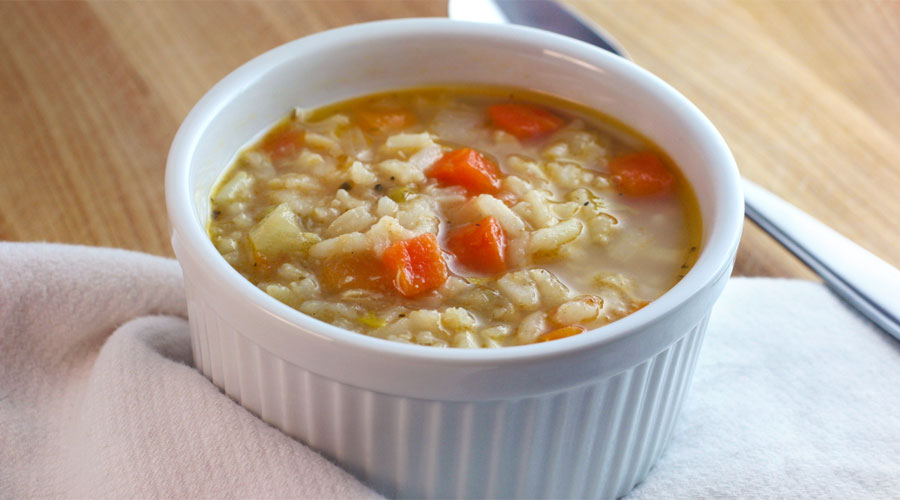
Look for soups with lots of non-starchy vegetables (greens, broccoli, zucchini, mushrooms), plus beans or lean protein. Keep starches like potatoes, rice, and noodles in moderate portions. Soups that are mostly noodles or creamy base can still fit, but the portion has to be smaller and the rest of the meal should be lighter.
If your soup is on the lighter side, pair it with a side salad, a hard-boiled egg, or extra turkey or chicken. That little protein boost can change how satisfied you feel afterward.
Lower sodium, gluten free, and dairy free ideas that still taste great
Many soup styles naturally work for common needs, or they can with small tweaks. Vegetable and bean soups, chicken and veggie soups, chili-style soups, lentil soups, and tomato-based soups are often good starting points.
For gluten free eating, skip wheat pasta and choose quinoa, rice, or gluten free noodles, then measure portions. For dairy free creaminess, puree cauliflower, white beans, or squash into the broth. You still get a rich texture, but it stays lighter.
Easy ways to serve soup with bread and make it a full winter meal
Soup feels complete when it has a “sidekick.” For many people, that’s bread. The trick is keeping it comforting without turning your meal into a carb pile.
If you order frozen meals, soup-and-bread combos are also convenient. They’re easy to store, quick to heat, and simple to portion. You can also split a serving, half now and half later, which is helpful when appetite comes and goes.
Pairing soup and bread without going overboard
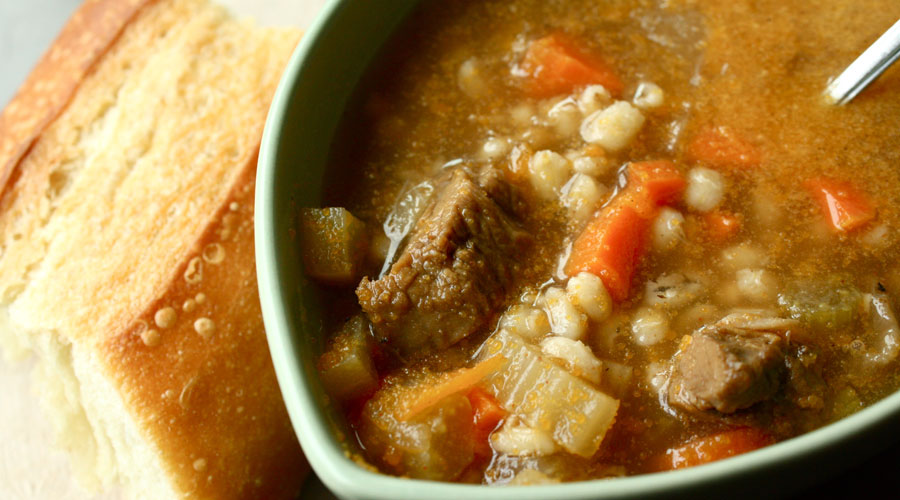
Start with a smaller bread portion, especially if your soup already includes barley, beans, or pasta. Whole-grain bread can add fiber, which helps fullness. Meanwhile, softer bread can be easier to chew, so choose what works for you.
For diabetic friendly meals, bread portions matter. Try half a roll with a hearty soup, then add non-starchy vegetables on the side if you want more volume. A few cucumber slices or a simple salad can round things out without adding many carbs.
Stock your freezer with comforting picks from MagicKitchen
If you like having options ready to go, take a look at these soup and bread meals. Many people keep a few in the freezer for quick lunches and simple winter dinners, especially when weather makes errands a hassle.
A simple way to try a variety: the Soup for the Soul bundle
Sometimes you don’t want to commit to one soup mood all week. One day you crave tomato, the next you want something with beans and spice. Variety keeps winter eating from feeling repetitive, and it can help you stay on track with special diets.
Why bundles help on busy or low energy days
Bundles make planning easier because you can rotate flavors without another trip to the store. That’s useful for seniors, caregivers, and anyone recovering from illness or staying in during rough weather. It also works well for gifting, since soup is practical and comforting, and it doesn’t require the recipient to cook from scratch.
Where to find the bundle
You can find the Soup for the Soul bundle. Before ordering, check the menu details to match ingredients and nutrition to your needs, especially if you’re tracking sodium, carbs, or allergens.
Warm winter soups don’t have to be complicated to be satisfying. Build a small “three-bowl plan”: one hearty option for filling meals, one veggie-forward soup for everyday balance, and one favorite comfort flavor for the coldest nights. If you’re focusing on diabetic friendly meals, aim for balanced carbs plus protein, and keep bread portions sensible. Keep a few Magickitchen.com soups in the freezer, then start with one or two this week and add to your winter soup stash over time.